
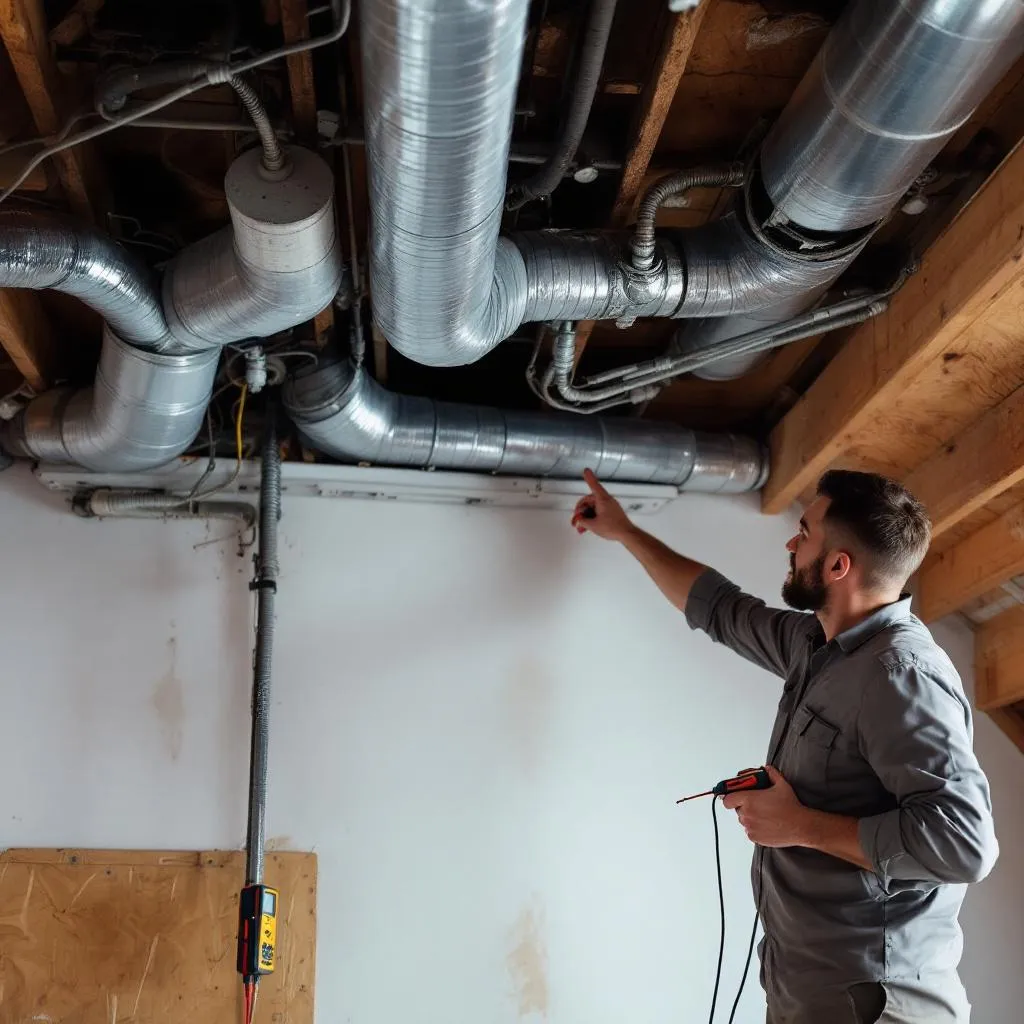
As an HVAC installation expert who has worked across Woodland Hills for many years, I often see homeowners surprised by preventable problems after a new AC Installation. In this article I’ll walk you through the most common issues I encounter, explain why they happen in this climate and neighborhood, and offer practical advice on spotting trouble early so you can protect your comfort and your investment.
Common AC Installation Issues
One of the most frequent faults I see is improper unit sizing. An oversized system cycles on and off too rapidly, creating temperature swings and unnecessary wear. Too small a system will run constantly, struggling to keep your home comfortable during hot Valley summers. Matching the equipment to the home requires accurate load calculations—something a quick quote rarely includes.
Ductwork and airflow problems are another major culprit. In older Woodland Hills homes, ducts may be undersized, disconnected, or poorly sealed. Even a well-chosen outdoor unit won’t perform if airflow is restricted. I often discover collapsed flexible ducts, disconnected boots in attics, or inadequate return pathways that lead to low airflow and coil freezing.
Placement and installation details matter more than many homeowners realize. Condensate lines must drain properly and be insulated; outdoor units need clearance for airflow and routine maintenance; electrical connections must meet code and handle startup current. Mistakes in any of these areas can cause short cycling, water intrusion, or tripped breakers.
How faulty installation shows up in your home
Signs of installation trouble often appear gradually. You might notice uneven cooling between rooms, rising energy bills without a change in usage, or frequent cycling that shortens the life of the compressor. Strange sounds or vibration can indicate poor mounting or an unbalanced fan, while persistent moisture on ceilings or stains under the indoor unit points to condensate mismanagement.
In Woodland Hills, where we experience both hot days and cool nights, temperature swings can exaggerate these problems. Returning to an apparently comfortable home only to find it warm in the afternoon is a clue that the system isn’t sized or balanced correctly. A thorough diagnostic will reveal whether the issue is the equipment, ductwork, or installation workmanship.
When I inspect systems, I also check refrigerant charge and line set installation. Modern refrigerants and precise charges are essential for peak efficiency. Undercharged systems struggle and overcharged systems risk compressor damage. Proper brazing, insulation of refrigerant lines, and leak-checking are small steps that make a big difference.
Preventing problems before they start
Prevention begins with a careful site evaluation. A reliable installation should start with a detailed load calculation, an assessment of duct condition, and a clear plan for where the indoor and outdoor components will sit. Choosing the right capacity is as important as selecting a reputable brand. I recommend asking your installer for a written scope that includes airflow and efficiency targets, not just equipment specifications.
Permits and code compliance are often overlooked, but they protect homeowners in the long term. Proper permits ensure inspections that catch wiring or refrigerant issues before they worsen. In many cases, small corrective steps taken during installation—like sealing ducts and properly supporting refrigerant lines—prevent costly callbacks down the line.
Mid-project communication matters. If your installer explains the rationale for their choices and shows you the work (clear documentation of refrigerant charge, airflow measurements, and electrical wiring), you’ll be less likely to see return visits. For those seeking a second opinion during or after work, I encourage homeowners to consult an independent expert or request a third-party verification of the system’s performance, including static pressure and temperature split testing. Another trusted resource is AC Installation, which outlines common best practices and service steps I often recommend to clients.
How we diagnose and correct installation errors
When called to address a problematic installation, I follow a methodical process. We start with a visual and operational check: verifying refrigerant lines, electrical connections, condensate drainage, and outdoor unit clearance. Next comes performance testing—measuring supply and return temperatures, airflow, and compressor behavior under load. From there we can pinpoint whether the root cause is equipment, ductwork, refrigerant charge, or control wiring.
Repairs might include resizing ducts, sealing and insulating runs, recharging refrigerant to factory-specified levels, or adjusting blower speeds for proper CFM. In some cases, relocating an outdoor unit for better airflow or correcting a sloped condensate line is all it takes. Throughout, clear communication with the homeowner about expected results and follow-up checks is essential.
FAQ
Q: How soon should I expect problems to appear after installation?
A: If there’s an installation issue it often appears within the first few months when systems are under varied loads. Short cycling, odd noises, or persistent humidity problems are common early indicators. Regular post-installation checks catch most of these before they cause major damage.
Q: Can a poorly installed AC reduce my home’s efficiency?
A: Absolutely. Improper airflow, incorrect refrigerant charge, and poor duct sealing can reduce efficiency significantly. Even a high-efficiency unit will underperform if the installation ignores airflow and balance.
Q: Should I get a second opinion if my new system isn’t performing?
A: Yes. A third-party diagnostic can objectively measure performance and identify whether the issue is installation-related or equipment failure. Ask for data like temperature split, static pressure, and refrigerant charge details to compare against manufacturer specs.
When you’re ready to ensure your home’s comfort is handled by experienced professionals, trust local expertise that understands Woodland Hills microclimates and construction styles. For reliable work and clear explanations, schedule a consultation focused on correct sizing, ductwork integrity, and long-term performance: AC Installation. Strong installations start with careful planning and end with documented testing to protect your investment.
20746 Clarendon St, Woodland Hills, CA 91367, United States
Phone: +1 +(310) 507-7172