
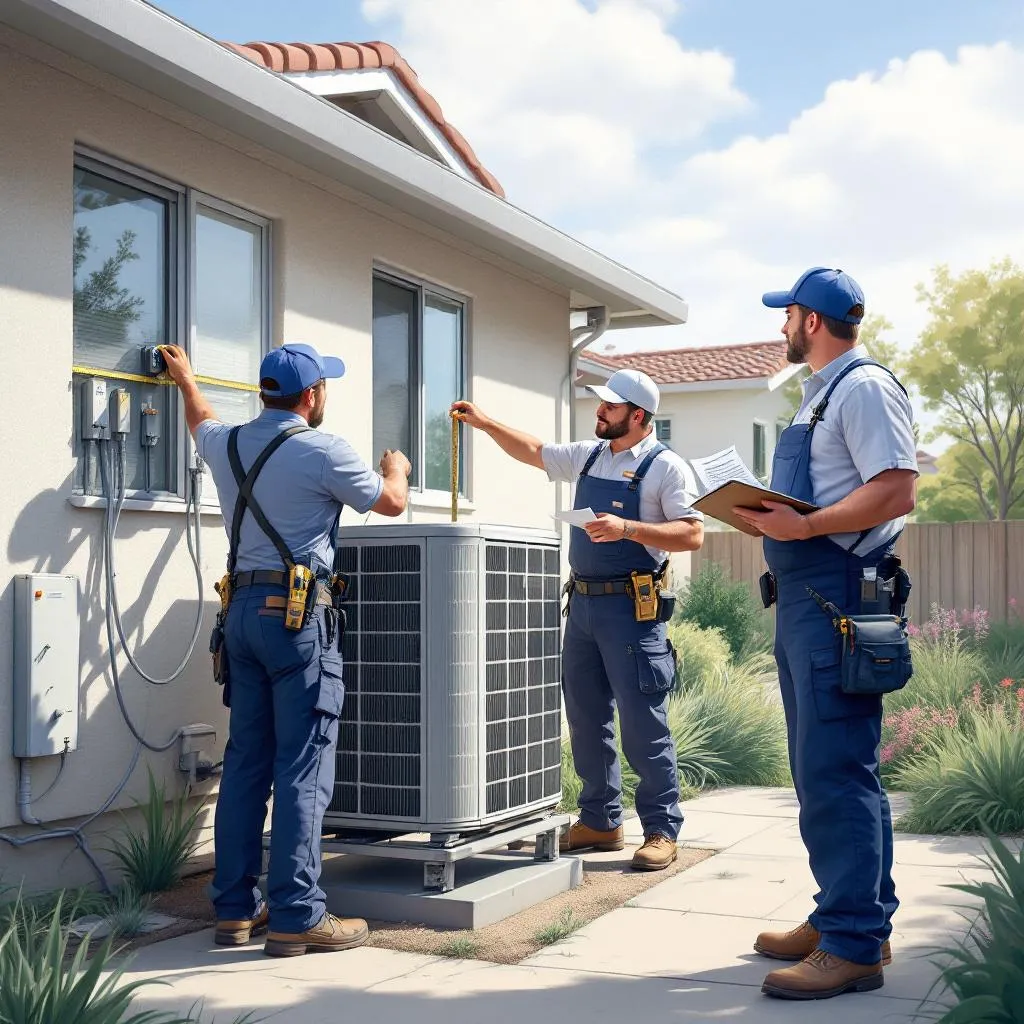
As an HVAC installation expert working in Woodland Hills, I often meet homeowners who are nervous about the inspection stage of a new AC installation. AC Installation is not just a checkbox; it’s the moment when design, permits, and workmanship come together to ensure comfort and safety for years to come. I start every project by explaining what inspectors look for, how to prepare your home, and what common corrections can mean for timing and long-term performance. To make the process less intimidating, I walk clients through each step and stay on-site to address questions in real time. AC Installation
AC Installation Inspection: What to Expect
When an inspector arrives, they will evaluate the installation against local codes and the manufacturer’s specifications. Expect a careful review of refrigerant lines and connections, proper electrical wiring, secure mounting of outdoor units, and correct duct transitions. Inspectors also check for appropriate safety devices, clearances around equipment, and that condensate drainage is properly routed to prevent water damage. As the installer, I treat these inspections as a quality control opportunity: addressing potential issues before they become call-backs improves system longevity and efficiency.
Preparing Your Home for the Inspection
Preparing for inspection means more than unlocking gates and clearing access to rooftops or attic spaces. I advise homeowners to ensure all permit paperwork is visible and that power and gas supplies are safely accessible for testing. Clear work areas of landscaping and obstacles so the inspector can walk around outdoor units and access electrical panels without delay. Inside, make sure attic hatches or crawlspaces are cleared and that any new thermostat wiring is labeled. These small preparations can prevent rescheduled inspections and keep your installation on track.
Common Issues Found During Inspections and How We Address Them
Common red flags include unsecured duct connections, undersized electrical wiring, missing or incomplete permit documentation, and improper refrigerant charge. In Woodland Hills, we also encounter installations that need better mounting hardware or additional vibration isolation to meet noise and seismic considerations. When issues arise, I document everything, explain the required corrections to the homeowner, and schedule remedial work promptly. Timely correction is essential; an inspector’s note is not a failure but a roadmap to compliance and peak system performance.
Working with Local Codes and Manufacturer Requirements
Local codes in Los Angeles County and Woodland Hills may include specific requirements for energy efficiency, ventilation, and allowable refrigerants. Beyond code, manufacturer installation manuals are binding for warranty coverage. I always cross-reference both sets of rules when planning an installation. This dual compliance ensures that your system not only passes inspection but also retains its warranty and operates at designed efficiency. If you ever receive conflicting guidance, it’s best to involve the inspector and manufacturer documentation in the discussion to arrive at a code-compliant solution.
How Contractors and Inspectors Coordinate
Successful inspections hinge on communication. I coordinate schedules with inspectors, confirm permit status, and perform a pre-inspection walk-through to catch issues before the official visit. This proactive approach reduces surprises. If an inspector notes a minor correction, we often complete the work immediately and request a re-check. For larger items, I provide a clear timeline and update the homeowner continuously so they know when the system will be fully commissioned and ready to keep their home comfortable.
Middle-Stage Tips for Homeowners
During the mid-stage of the project, when equipment is mostly installed and final testing is imminent, I recommend running a full system test that includes start-up loads, thermostat calibration, and refrigerant pressure verification. Documenting these results and keeping them on hand can make the inspector’s job easier and speeds approval. If you’d like expert oversight, I can review your contractor’s test reports and, if appropriate, arrange for a follow-up inspection. Many homeowners choose to confirm that their chosen contractor is following best practices during the commissioning phase, and that’s a wise move when investing in long-term comfort. AC Installation
Frequently Asked Questions
Q: What is the typical timeline between installation and inspection? A: Timelines vary with permit processing and contractor scheduling, but inspections are usually scheduled within a few days to a couple of weeks after the equipment is set and safe for testing.
Q: Will an inspector require the contractor to be present? A: Often yes; inspectors prefer to interact directly with the installer for technical clarifications and to witness tests like ammeter readings and operational checks.
Q: What happens if my system fails inspection? A: Failures are typically for correctable items. The inspector will issue a list of required corrections; once addressed, you can request a re-inspection. Proper planning reduces the likelihood of significant rework.
Q: Can I be present during the inspection? A: Absolutely. I encourage homeowners to attend so they can understand any recommendations and see the testing procedures firsthand.
Ready for Your Inspection and Installation
If you’re in Woodland Hills and preparing for a new system, we can help you navigate permits, coordinate inspections, and ensure a smooth handoff from installation to operation. For a clear, code-compliant approach that minimizes delays and maximizes comfort, trust our local team to guide you from start to finish. Schedule your service today for dependable AC Installation by experienced professionals and enjoy long-term peace of mind. AC Installation
20746 Clarendon St, Woodland Hills, CA 91367, United States
Phone: +1 +(310) 507-7172